
Case Study: Designing
"The Resilient Workflow"
A Service Design Approach to Corporate Burnout
Executive Overview
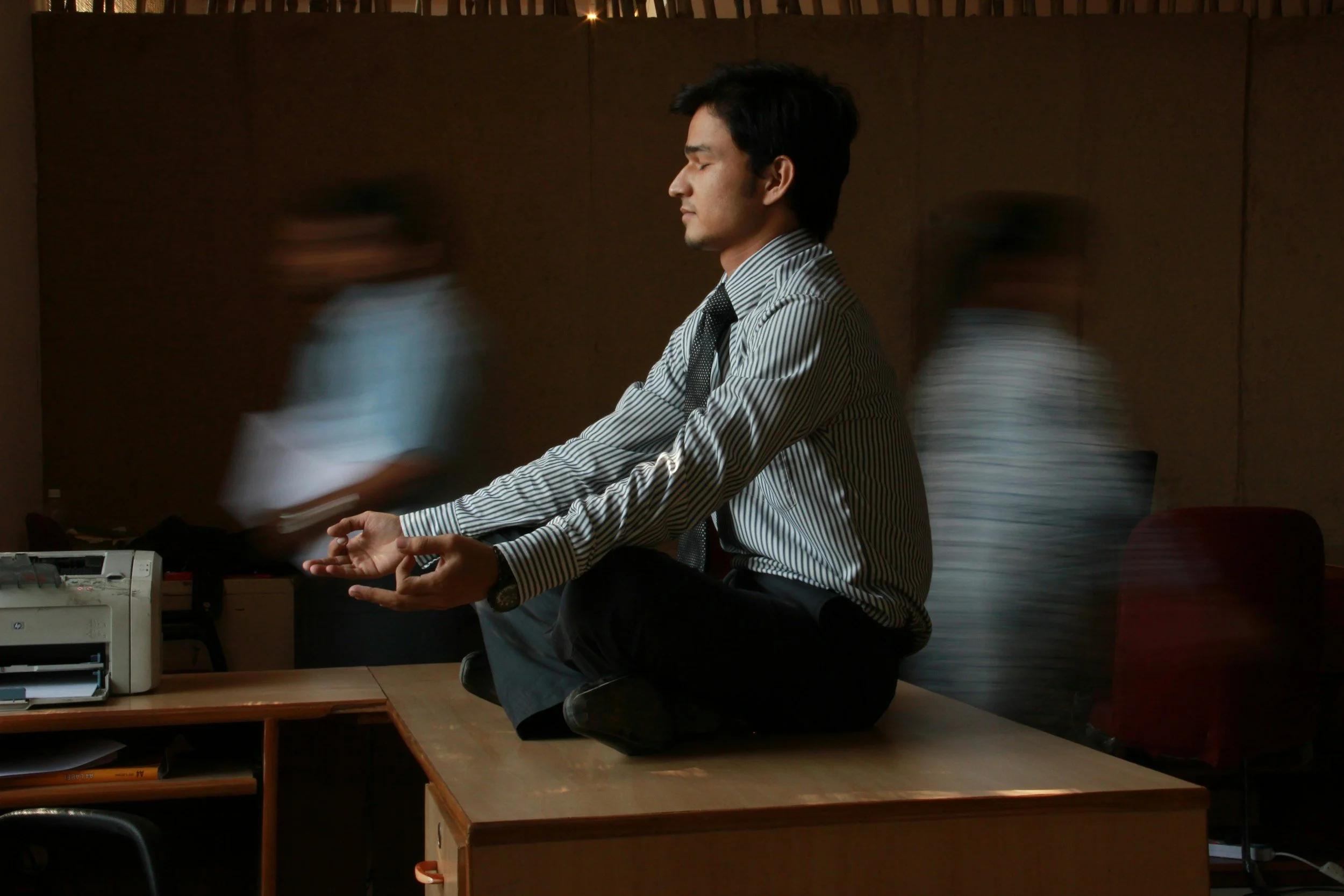
In modern corporate ecosystems, tech teams constantly face high-friction workflows, constant digital availability, and rapid operational changes. This environment inevitably leads to silent burnout, team churn, and a direct hit to organizational productivity. As the Lead Service Designer on this initiative, I developed a B2B human-centered framework called Somatic-Led Operational Design. This methodology treats stress not as an individual flaw, but as a system-level workflow defect that requires a structural remedy. The resulting solution is an interactive training program and a practical toolkit integrated directly into the corporate calendar to protect a company's most valuable resource.
The User & The Problem Space
Traditional corporate wellness initiatives often fail because they focus on the wrong touchpoints. They try to treat symptoms after the fact by offering external tools like meditation apps or after-hours yoga, completely ignoring the system where the stress is actively generated.
Drawing from user research and my lived experience as a former tech Team Lead, I mapped out the true operational friction points that modern employees face daily. Constant context-switching, endless notifications, tight deadlines, and cross-timezone collaboration push the human hardware far past its capacity. Because there is no structured, real-time cooling cycle built into the system, early stress signals go completely unnoticed until it is too late.
Ideation & The "Somatic-Led" Framework
I approached the human nervous system as the ultimate user interface. If an operational workflow design causes the user's primary system to crash under pressure, the overall system architecture requires a fundamental redesign.
Instead of teaching teams how to recover from stress after the damage is done, I designed a preventive framework that bridges the gap between organizational strategy and nervous system regulation. The core design principle here is low friction. By engineering practical, intuitive habits that integrate seamlessly into busy workdays, teams can recognize and regulate stress signals in real-time without adding to their cognitive load.
Service Architecture & Product Delivery
The final service design is delivered as an immersive, highly scalable experience. While I accommodate digital-first teams through engaging online sessions, I place a high design priority on shared physical spaces, as in-person delivery significantly amplifies the impact of somatic work and accelerates team bonding.
The program scales elegantly from intimate team huddles to large-scale organization workshops, and every engagement concludes by leaving the users with a practical, independent "Somatic Reset Toolkit". To ensure a seamless B2B user experience for HR decision-makers, the collaboration funnel operates on a minimal-effort, three-step onboarding pipeline consisting of discovery alignment, tailored system design, and final product deployment.
A successful product must simultaneously satisfy human needs and meet critical business objectives. By applying rigorous design-thinking principles to human resilience, this system achieves profound corporate metrics. It directly reduces system downtime by lowering stress-related absenteeism and preventing burnout risks. Concurrently, it optimizes overall team output by fostering focus, psychological safety, and sustainable productivity, positioning client organizations as truly mindful, future-oriented employers.